
A breakdown on the 405 or a stalled truck in the middle of a tight delivery window in El Segundo does more than just ruin a schedule. It eats into your bottom line through towing fees, missed deadlines, and emergency repair costs. That’s why we’ve put together this comprehensive guide to help you navigate the unique challenges of summer fleet operations. By focusing on preventative fleet maintenance services, you can keep your wheels turning and your drivers safe all season long.
The Cooling System: Your Fleet’s Primary Defense
Think of your truck’s cooling system as the vehicle’s sweat glands. When the external temperature climbs, the engine has to work significantly harder to shed the internal heat generated by combustion. For heavy-duty rigs like Peterbilt, Paccar, or Navistar trucks, a cooling system failure isn’t just a minor inconvenience: it can lead to catastrophic engine damage in a matter of minutes.
In El Segundo, our proximity to the coast usually provides a nice breeze, but the stop-and-go nature of local traffic means engines are often idling or moving slowly, which limits natural airflow through the radiator. This is where your fans and coolant quality become critical. We often see trucks come into our shop with “tired” coolant that has lost its chemical ability to prevent corrosion and transfer heat efficiently.
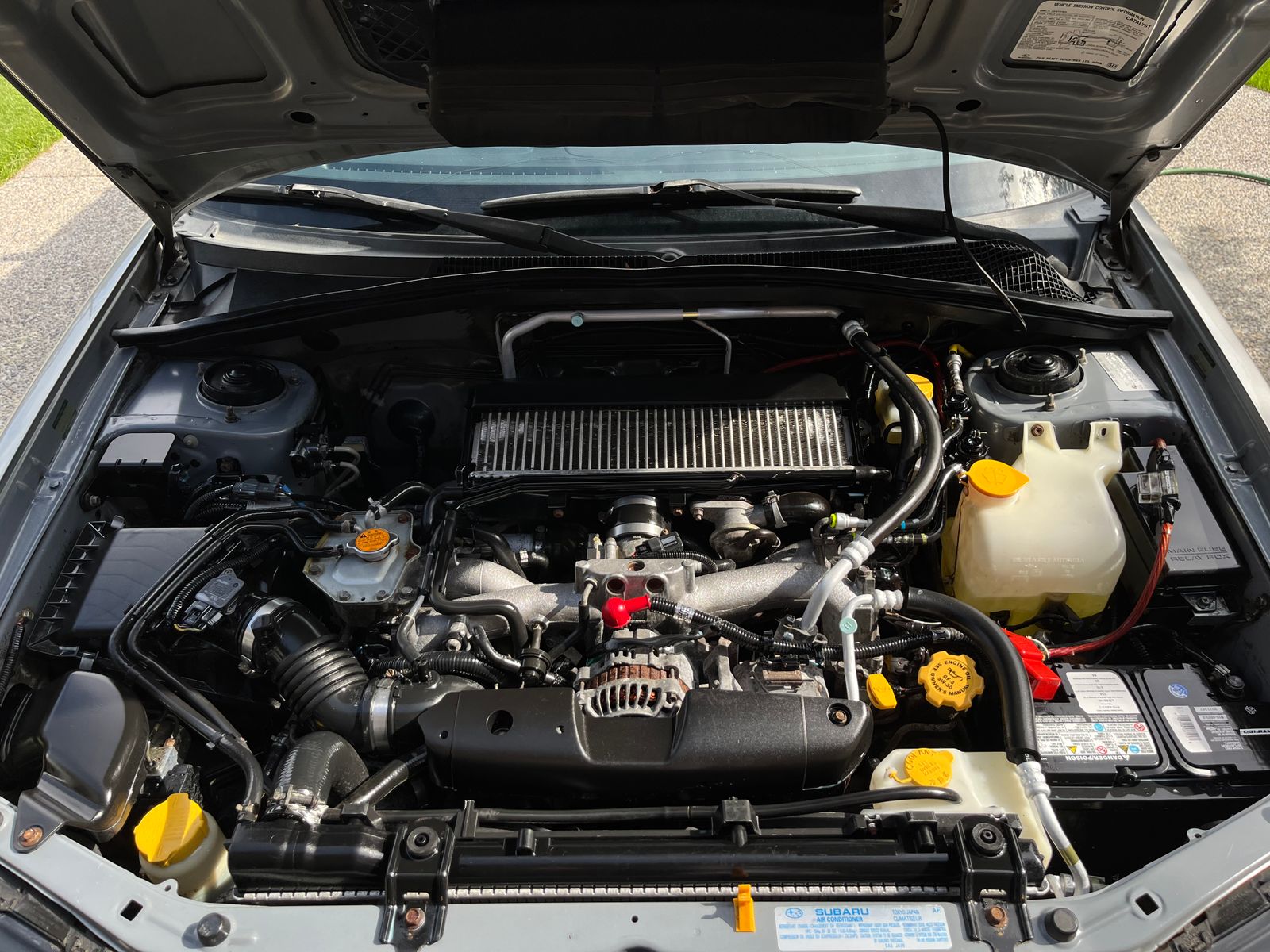
A proper summer prep starts with a coolant flush and a pressure test. We check for pinhole leaks in hoses that might only expand when the engine reaches peak operating temperature. We also pay close attention to the radiator fins. Over time, road debris and even salt air from the coast can clog or corrode these fins, drastically reducing their efficiency. A clean radiator is a happy radiator.
Tire Health: Avoiding the Summer Blowout
Hot asphalt is a tire’s worst nightmare. As the road temperature rises, so does the internal pressure of your tires. For a fully loaded truck, this extra stress can be the tipping point for a blowout. If a tire is even slightly under-inflated, the sidewalls flex more, generating even more heat. This “heat-on-heat” effect is why you see so many “road gators” (tread scraps) on the highway during July and August.
For businesses relying on truck repair in El Segundo, tire management should be a daily ritual. We recommend that drivers check their tire pressures in the morning when the rubber is still cool. Relying on a visual check isn’t enough; use a high-quality gauge to ensure every tire is at the manufacturer’s recommended PSI.
At Pittstop Auto Care, we look for more than just pressure. We inspect for “heat checking”: small cracks in the tread or sidewall that indicate the rubber is beginning to fail due to environmental stress. Rotating your tires regularly during the summer also ensures that wear is distributed evenly, preventing localized overheating on the steer axle.

Brakes and the “Stop-and-Go” Stress Test
Driving a heavy-duty Ford or HINO truck through the South Bay involves a lot of braking. Between the traffic lights on Sepulveda Boulevard and the congestion near the airport, your brake systems are constantly engaged. Heat is a natural byproduct of friction, but during a summer heatwave, your brakes have very little opportunity to cool down between stops.
When brake components get too hot, they can suffer from “brake fade.” This happens when the pads and rotors reach a temperature where they can no longer create enough friction to stop the vehicle effectively. For your drivers, this feels like a “spongy” pedal or a terrifying lack of stopping power.
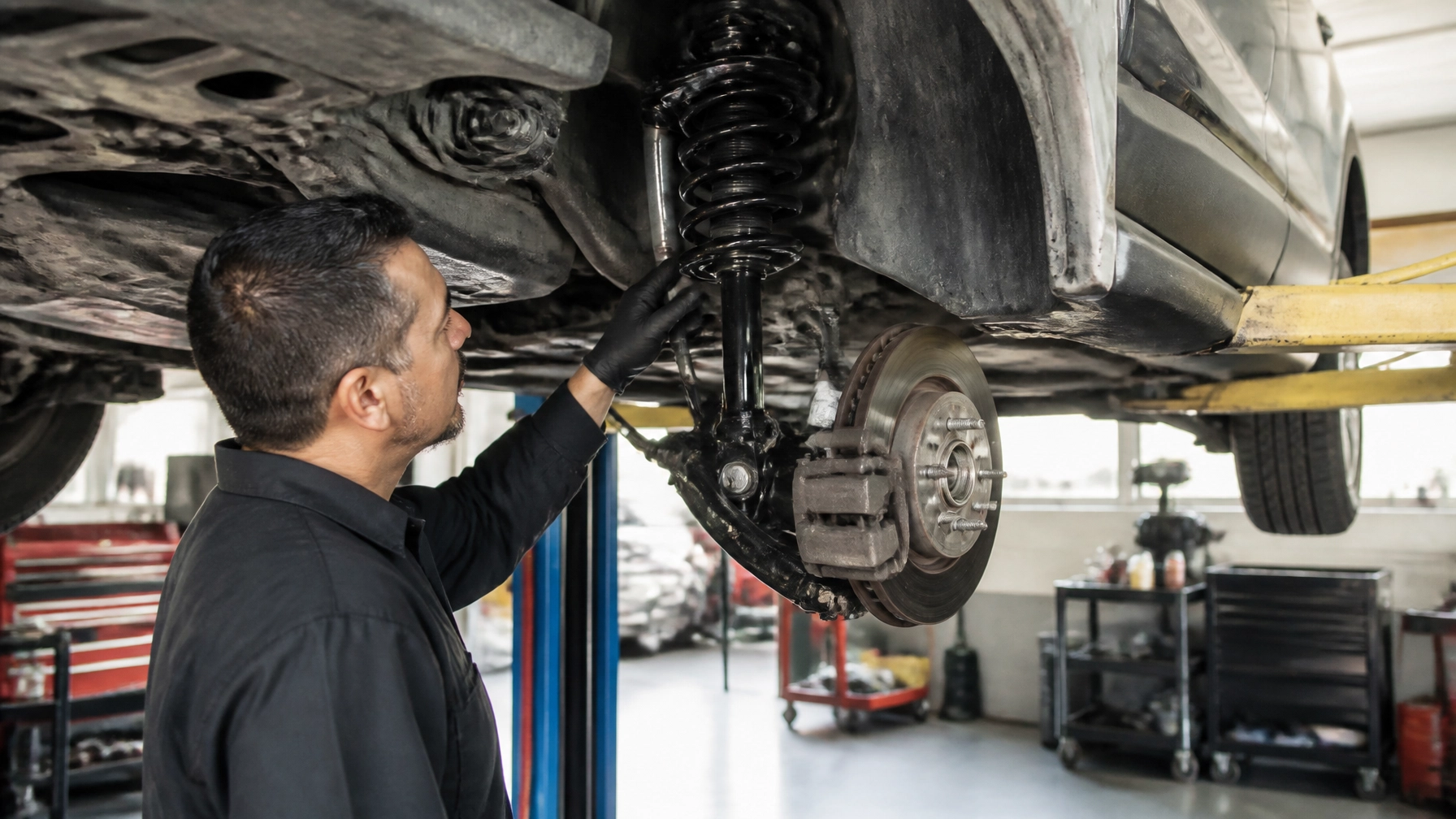
During our auto repair in El Segundo inspections, we check for glazed brake pads and heat-cracked rotors. We also test the brake fluid. Brake fluid is hygroscopic, meaning it absorbs moisture over time. In high heat, any moisture in the lines can turn into steam, creating air pockets that lead to total brake failure. Keeping your air systems dry and your hydraulic fluid fresh is a non-negotiable for summer safety.
Driver Comfort and the AC System
It’s easy to view the Air Conditioning system as a luxury, but for a fleet manager, it’s a safety feature. A driver who is overheating is a driver who is fatigued, distracted, and more prone to making mistakes. A failing AC system in a Mack or Isuzu cab can quickly turn the interior into an oven, especially during those inland delivery routes where the coastal breeze doesn’t reach.
Summer AC failures are usually caused by low refrigerant levels or a clogged cabin air filter. If the system is straining to reach a comfortable temperature, it’s also putting extra load on the engine and increasing fuel consumption. We recommend a proactive AC “recharge” and a thorough inspection of the compressor and condenser before the first major heatwave hits. If your drivers are reporting that the air is “cool but not cold,” that’s your sign to get it checked before the system quits entirely.
Specialized Care for Heavy-Duty Brands
Every truck brand has its own quirks when it comes to heat management. For example, Isuzu and HINO medium-duty trucks are workhorses in urban environments, but their compact engine compartments mean they need excellent airflow. On the other hand, the heavy-duty cooling systems in Volvo or Peterbilt rigs are robust but require specialized long-life coolants that shouldn’t be mixed with standard fluids.
At Pittstop Auto Care, we’ve spent over 20 years learning the nuances of these machines. We know that a Navistar engine has different thermal requirements than a Paccar, and we treat them accordingly. Our diagnostic tools allow us to “talk” to your truck’s onboard computer to see if the engine has been recording any high-temperature events that haven’t triggered a dashboard light yet. This kind of “predictive” maintenance is what separates a fleet that thrives in the summer from one that’s constantly playing catch-up with repairs.
Partnering for a Breakdown-Free Summer
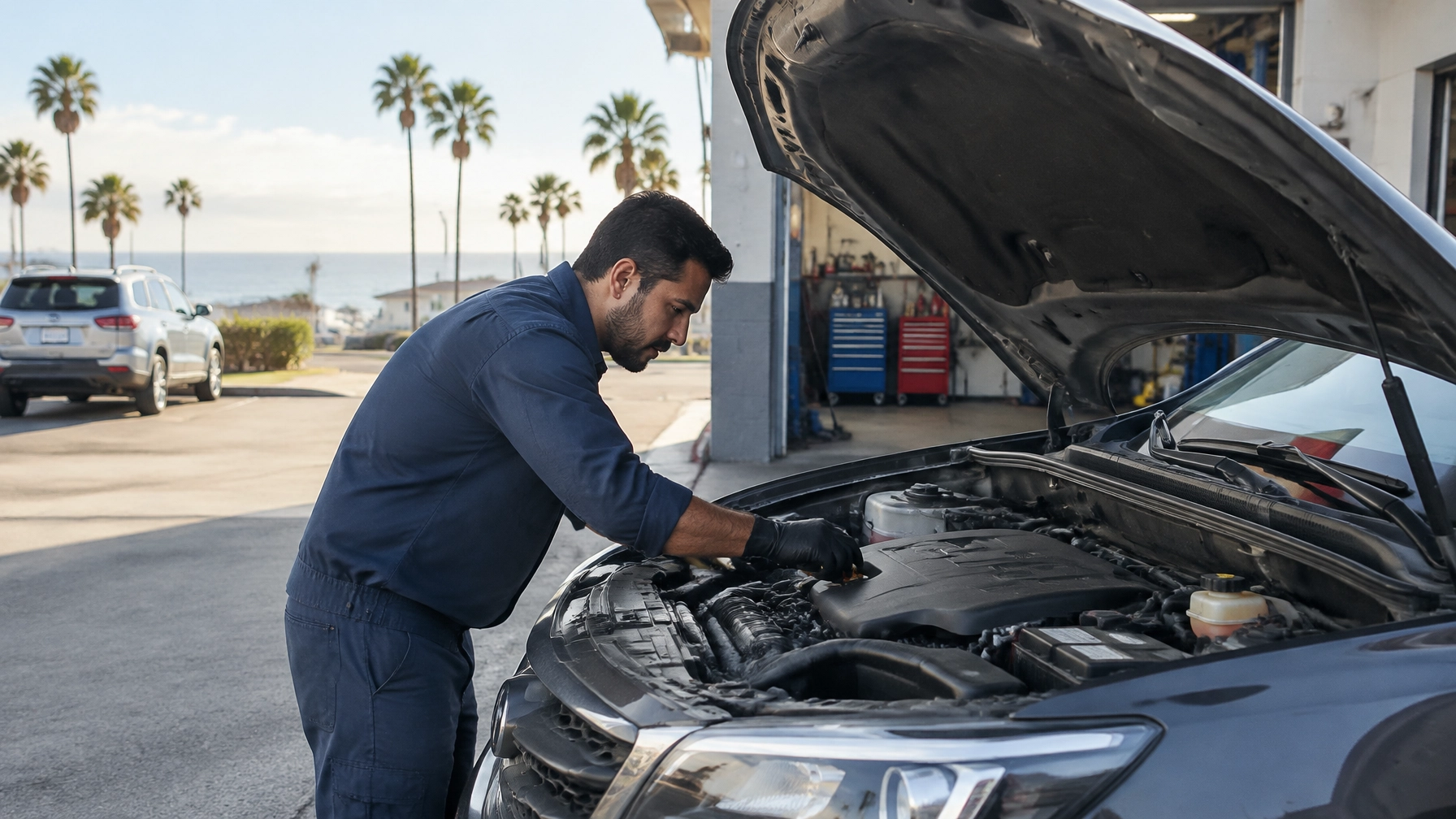
Managing a fleet is a balancing act of timing, budget, and safety. You don’t have to do it alone. Since 2009, Pittstop Auto Care has been the “one-stop shop” for the El Segundo and Hermosa Beach communities. We understand that for local businesses, your trucks are your livelihood.
Our team of ASE-certified technicians provides honest, transparent service with a focus on fast turnaround times. We know that every hour your truck spends in the shop is an hour it’s not making you money. By scheduling your summer fleet maintenance now, you’re not just fixing parts: you’re buying peace of mind.
Whether you need a full cooling system overhaul, a fresh set of tires for your Ford fleet, or a complex diagnostic check on a Peterbilt, we’re here to help. Let’s make sure this summer is remembered for your team’s productivity, not for the time they spent waiting for a tow truck.
Ready to get your fleet summer-ready? Give us a call or stop by our El Segundo location. We’ll help you build a maintenance schedule that fits your business needs and keeps your drivers moving safely through the South Bay heat.