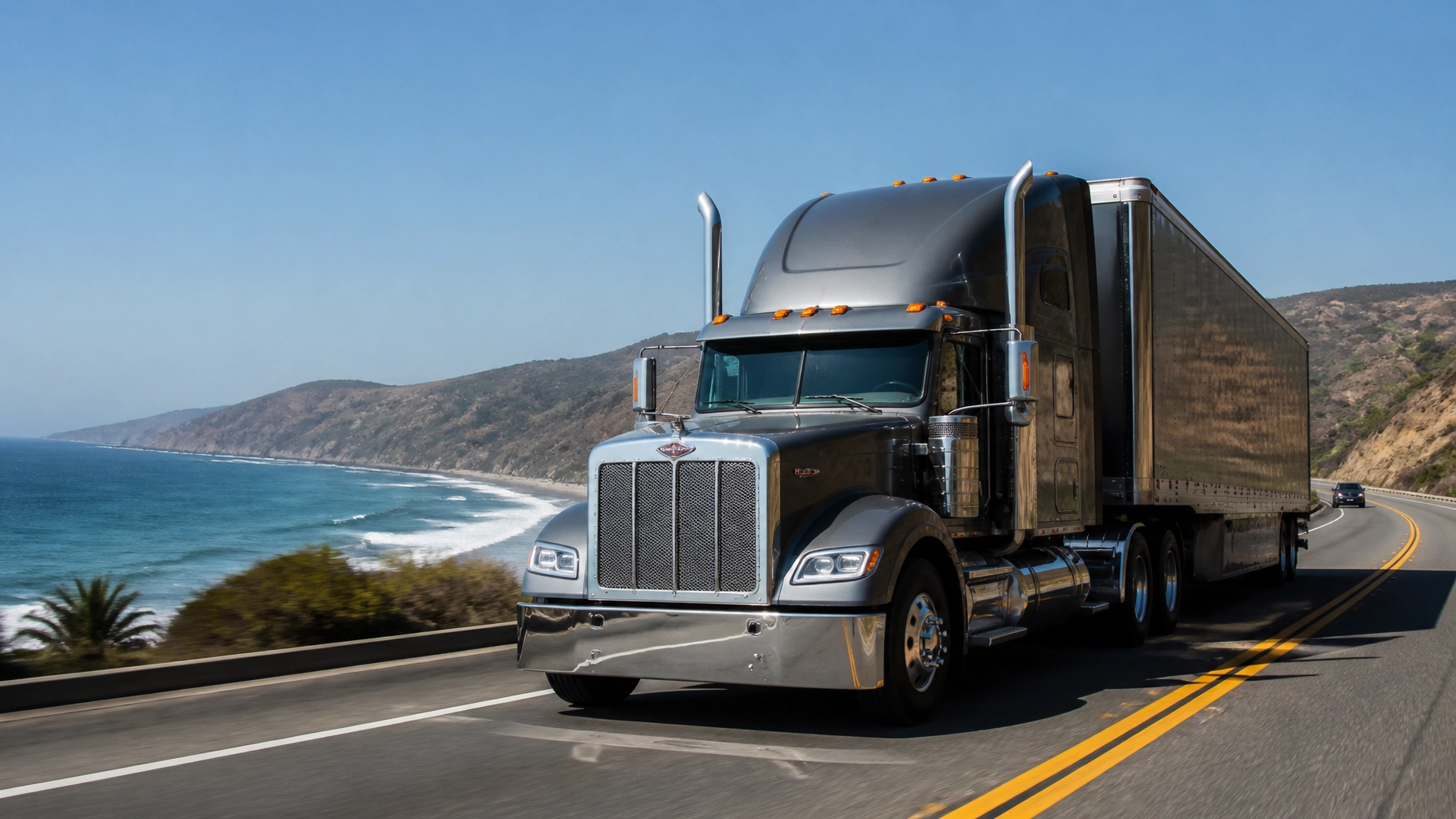

Ensuring that your fleet and heavy-duty vehicles are well-maintained is crucial for minimizing downtime and maximizing efficiency. In California, where diverse terrain and bustling cities pose unique challenges, specialized maintenance is essential. This guide will walk you through everything you need to know about maintaining your fleet, from the importance of regular check-ups to selecting the right service provider in the Golden State.
Understanding the Importance of Fleet Maintenance
Fleet maintenance is more than just a routine check-up. It is a comprehensive approach to keeping your vehicles in top condition, ensuring they are safe, reliable, and efficient.
Safety and Compliance
Safety is paramount when it comes to fleet maintenance. Regular inspections help identify potential issues before they become serious problems. For example, a delivery company operating in the busy streets of Los Angeles discovered during a routine check-up that one of their trucks had a brake issue, which could have led to a serious accident. In California, where regulations are strict, staying compliant with safety standards is non-negotiable. Regular maintenance helps ensure that your fleet meets all legal requirements, avoiding fines and penalties. The cost of non-compliance can be steep, with fines ranging from a few hundred to several thousand dollars, making preventive maintenance a cost-effective strategy.
Extending Vehicle Lifespan
Routine maintenance not only ensures safety but also extends the lifespan of your vehicles. By addressing minor issues early, you can prevent costly repairs down the line. This proactive approach is particularly important for heavy-duty trucks that endure more wear and tear. For instance, a logistics company based in San Francisco managed to extend the lifespan of their trucks by an average of two years by implementing a rigorous maintenance schedule. The savings on vehicle replacement costs alone justified the investment in regular upkeep.
Key Components of Fleet Maintenance
Maintaining a fleet involves various components, each crucial for the overall health of your vehicles.
Engine and Transmission Care
The engine and transmission are the heart and soul of any vehicle. Regular oil changes, filter replacements, and inspections are essential to keep them running smoothly. In California’s varied climate, from the coastal breezes of Hermosa Beach to the heat of Riverbank, ensuring your engine is in peak condition is vital. Ignoring these critical components can lead to costly repairs, often amounting to several thousand dollars. Regular maintenance, including oil changes every 5,000 to 7,500 miles, can prevent these expenses and keep your fleet operational.
Tire and Brake Inspections
Tires and brakes are critical for vehicle safety. Regular checks help prevent blowouts and ensure effective braking. Given California’s diverse geography and traffic conditions, maintaining these components is essential for safe and efficient operations. A distribution company in Sacramento once faced a tire blowout on a freeway due to neglected maintenance, resulting in significant delays and repair costs. To avoid such incidents, it’s advisable to rotate and balance tires every 6,000 to 8,000 miles and inspect brakes every 12,000 miles.
Electrical System Maintenance
The electrical system is often overlooked, yet it plays a crucial role in vehicle operation. Regular checks of the battery, alternator, and wiring can prevent unexpected breakdowns, keeping your fleet on the road. For example, a food delivery service in San Diego experienced a series of electrical failures that were traced back to a simple alternator issue, which could have been resolved with timely inspections. Preventive checks of the electrical system can save your business from costly downtime and repairs.
Seasonal Maintenance Tips
California’s climate varies significantly from one region to another, making seasonal maintenance an important consideration.
Preparing for Summer Heat
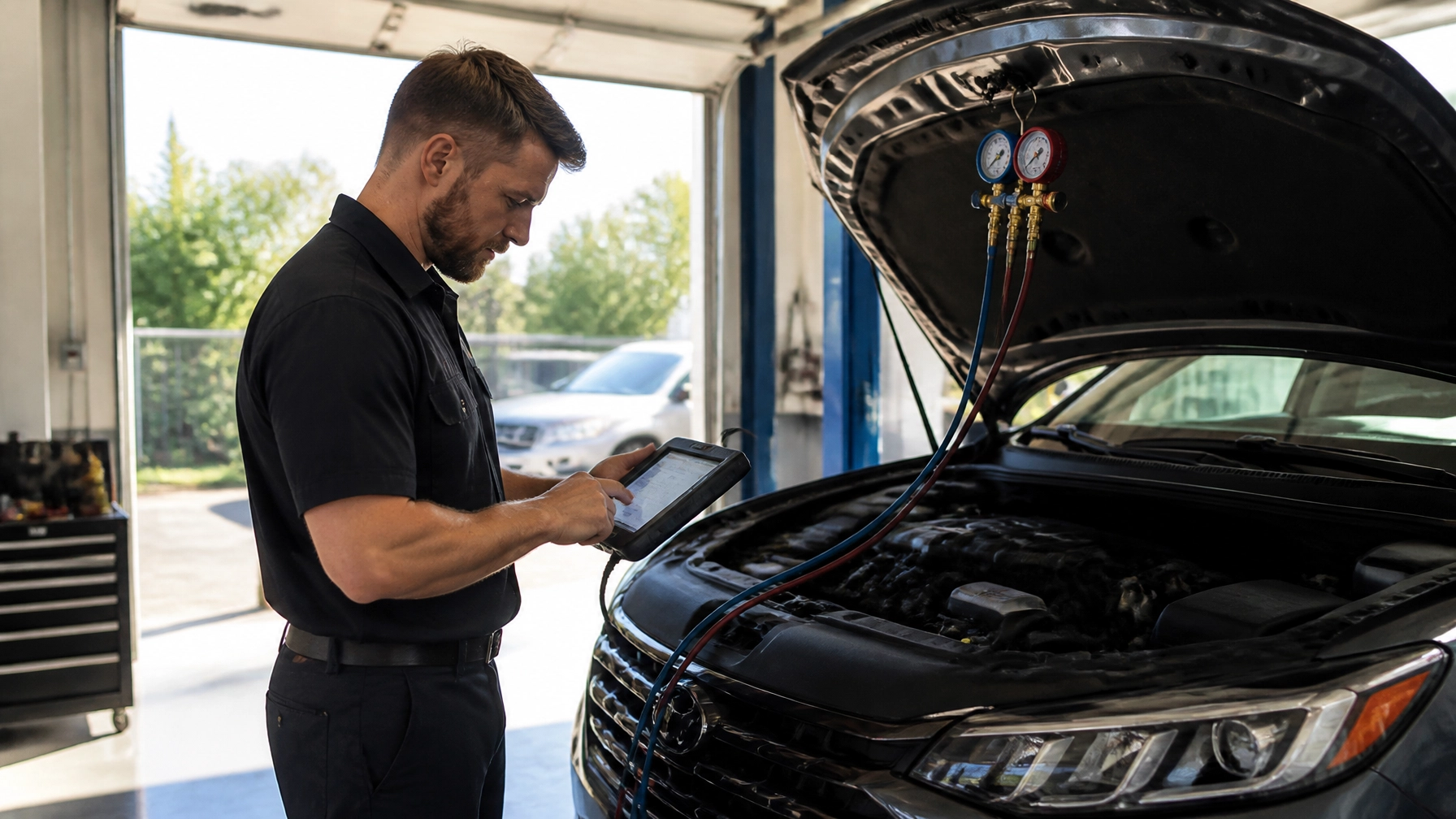
The summer sun can be harsh, especially in inland areas like El Segundo. Ensure your cooling systems are functioning optimally to prevent overheating. Checking air conditioning units is also crucial for driver comfort during long hauls. A trucking company found that by regularly servicing their cooling systems before the summer heat, they could avoid costly repairs and improve fuel efficiency by up to 10%.
Winterizing Your Fleet
While California winters are mild compared to other states, certain areas experience colder temperatures. Ensuring your vehicles are ready for colder weather with antifreeze checks and battery inspections can prevent issues when temperatures drop. For instance, a fleet operating in the Sierra Nevada region faced fewer battery-related issues after implementing a winterization protocol, which included using winter-grade oil and checking battery terminals.
Choosing the Right Service Provider
Selecting the right service provider is crucial for effective fleet maintenance. Here’s what to consider:
Expertise and Experience
Look for service providers with expertise in fleet and heavy-duty vehicle maintenance. Pittstop Auto Care, with locations in El Segundo, Riverbank, and Hermosa Beach, offers specialized services tailored to the needs of large vehicles and fleets. The right provider can offer insights into the latest technologies and maintenance techniques, ensuring your fleet remains at the cutting edge of efficiency and reliability.
Comprehensive Services
Choose a provider that offers a wide range of services, from routine maintenance to emergency repairs. This ensures that your fleet is covered in all situations, minimizing downtime and maximizing efficiency. A comprehensive service package may cost more upfront but can save significant amounts in the long run by preventing costly repairs and reducing downtime.
Customer Reviews and Testimonials
Reviews and testimonials provide insight into the reliability and quality of a service provider. Look for providers with a proven track record of satisfied clients and successful maintenance histories. Reading about how other businesses have benefited from a particular service can provide the assurance needed to make an informed decision.
Minimizing Fleet Downtime
Downtime is costly for any business. Here are strategies to keep your fleet running smoothly:
Scheduled Maintenance
Implement a regular maintenance schedule that includes all components of your vehicles. Scheduled maintenance helps catch issues early, preventing unexpected breakdowns. A construction company in Fresno found that by adhering to a strict maintenance schedule, they reduced unexpected breakdowns by 40%, leading to substantial savings and increased project efficiency.
Efficient Repair Processes
Choose a service provider that offers quick and efficient repair processes. Pittstop Auto Care, for example, prioritizes minimizing downtime by offering fast turnarounds without compromising quality. Quick repair processes ensure that your fleet is back on the road as soon as possible, reducing the financial impact of downtime.
Utilizing Technology
Leverage technology to monitor your fleet’s health. GPS tracking and telematics provide real-time data, helping you anticipate maintenance needs and schedule repairs before issues arise. These technologies can alert you to potential issues such as low tire pressure or engine problems, allowing you to address them before they lead to costly repairs.
Reach out to Pittstop Auto Care today and book your next vehicle maintenance. Our expert team is ready to assist you in making informed decisions, keeping your car running smoothly and safely.