
You’re driving down Vista Del Mar, the sun is setting over the Pacific, and the breeze coming through the window feels perfect. Then, it happens. A sudden shudder from the engine, a piercing squeal from the brakes, or that dreaded orange “Check Engine” light flickering to life on your dashboard.
In a town as beautiful as El Segundo, the last thing you want is to be stuck on the side of the road while everyone else heads home or to the beach. Yet, over at Pittstop Auto Care, our bays are busier than ever. We’ve noticed a disturbing trend in 2026: vehicles are breaking down more frequently, and often, it’s not because the cars are “bad”: it’s because of a few common maintenance mistakes that are especially punishing in our coastal environment.
As your local automotive partners, we want to pull back the curtain on why these breakdowns are happening and, more importantly, how you can avoid them to keep your vehicle running smoothly for years to come.
The El Segundo “Tax”: Why Coastal Living is Tough on Cars
Before we dive into the mistakes, we have to talk about where we live. El Segundo is unique. We have the beauty of the ocean, but we also have the “marine layer.” That morning mist isn’t just water; it’s a cocktail of moisture and airborne salt.
For a car, this environment is aggressive. Salt is a catalyst for corrosion. It finds its way into your brake lines, your suspension components, and even your electrical connectors. When you combine this “salt spray” with the stop-and-go traffic of the South Bay, your vehicle is working twice as hard as a car in a dry, inland climate. Mechanics in El Segundo are seeing more breakdowns because many drivers follow “standard” maintenance schedules that don’t account for this local environmental stress.

Mistake #1: Treating Oil Changes as “Optional” Suggestions
We often call motor oil the lifeblood of your engine. Just as your body can’t function with poor circulation, your engine cannot survive without clean, high-quality oil.
A common mistake we see is drivers extending their oil change intervals. You might think, “The manual says 10,000 miles, so I’m fine.” However, in El Segundo, where short trips to the grocery store or idling in traffic are common, your oil never reaches the optimal temperature to burn off moisture and contaminants. This leads to “sludge” buildup.
When oil turns to sludge, it stops lubricating and starts suffocating. This leads to premature wear on pistons and camshafts. If you want to avoid a massive repair bill, staying on top of your oil and fluid services is the single most important thing you can do.
Symptoms of “Tired” Oil:
- A darker, grittier texture on the dipstick.
- A slight tapping sound when you start the car in the morning.
- Decreased fuel economy (your engine is working harder to fight friction).
Mistake #2: Ignoring the “Silent” Filters
Most drivers remember the oil filter, but what about the engine air filter or the cabin air filter?
Living near the coast means dealing with sand and fine particles that are constantly being kicked up. If your engine air filter is clogged, your car is essentially trying to run a marathon while breathing through a straw. This forces the engine to alter its fuel-to-air ratio, which can eventually damage oxygen sensors and catalytic converters: repairs that cost significantly more than a simple filter replacement.
Mistake #3: The “Wait and See” Approach to Dash Lights
We’ve all been there. You’re busy, you have a meeting in Manhattan Beach, and that little “Service Soon” light pops up. You tell yourself you’ll deal with it next weekend. Then next weekend becomes next month.
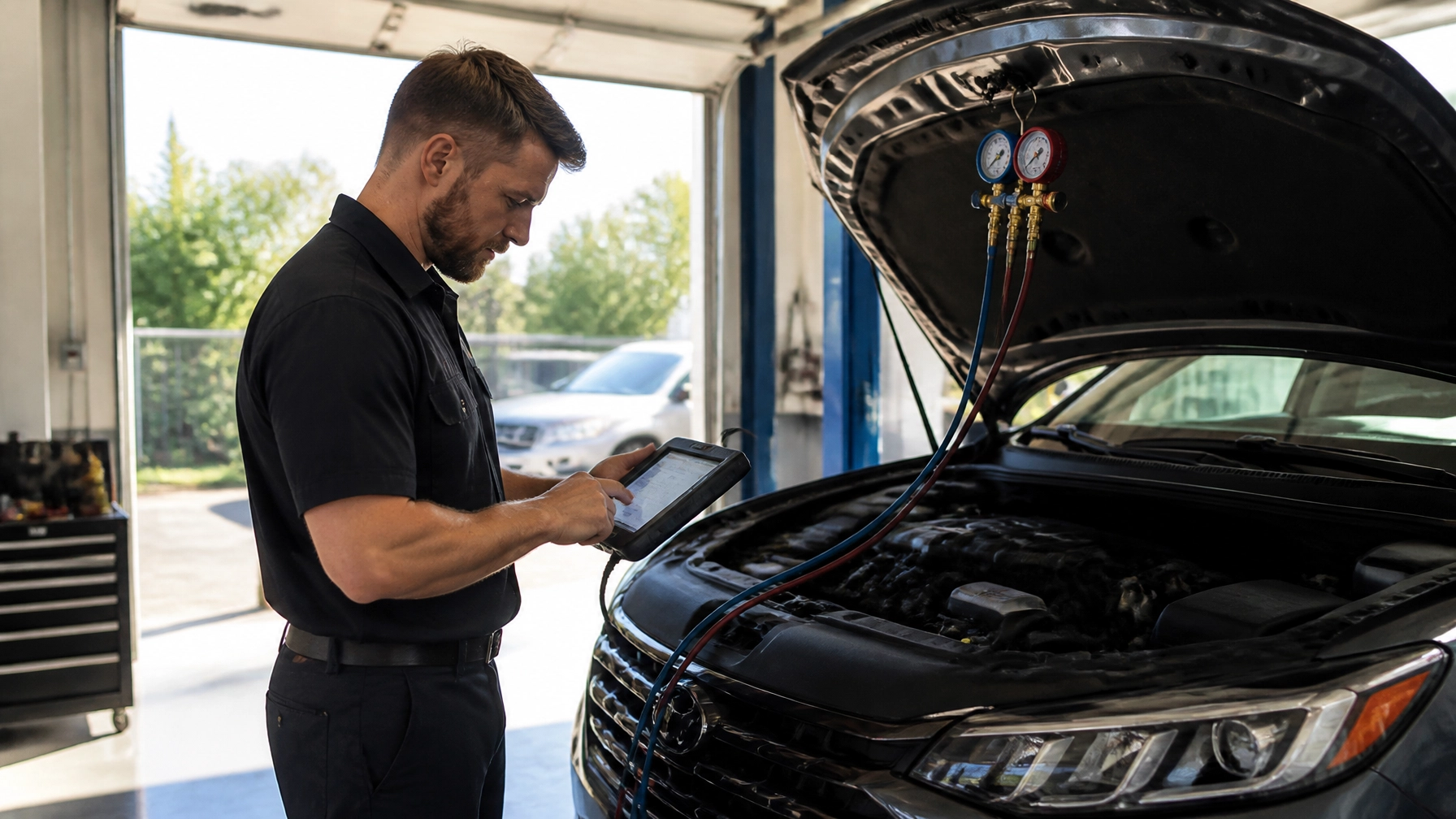
Modern vehicles are incredibly smart. They use a network of sensors to detect “soft codes”: issues that haven’t caused a breakdown yet but are indicating a system is failing. By the time the car actually stops running, a $150 sensor issue might have turned into a $2,000 engine diagnostic and repair job.
Ignoring a warning light is like ignoring a fever; it’s your car’s way of saying something is wrong internally. Getting an early check-up provides peace of mind and protects your wallet.

Mistake #4: Underestimating the Power of Salt and Corrosion
As we mentioned, the El Segundo air is salty. One of the biggest mistakes we see is owners neglecting the undercarriage of their vehicles. Salt builds up on the brake and suspension components, leading to rust that can seize up your calipers or weaken your control arms.
We see more “mystery squeaks” and “shaking steering wheels” here than almost anywhere else. Often, it’s because the protective coatings on these parts have been eaten away by the coastal air. Regular inspections and keeping your car clean (including a good undercarriage wash) can prevent these mechanical “breakdowns” before they start.
Mistake #5: Buying Tires Based Solely on Price
When it comes to tires, you truly get what you pay for. We see many drivers opting for the cheapest possible tires to save a few dollars. However, low-quality tires often have poorer traction on wet roads (common during our morning marine layer) and wear out much faster due to inferior rubber compounds.
Investing in quality tire sales and services isn’t just about safety; it’s about the long-term health of your car. Poor tires can cause alignment issues, put extra stress on your suspension, and even lower your gas mileage.

Why Prevention is the Ultimate Performance Hack
At Pittstop Auto Care, we believe that the best repair is the one that never has to happen. When we see a rise in breakdowns, it’s usually a sign that “preventative maintenance” has taken a backseat to “reactive repair.”
Reactive repair is stressful, expensive, and inconvenient. Preventative care is planned, affordable, and ensures your car is ready for your next road trip up the PCH or your daily commute. We don’t just want to fix your car; we want to partner with you to ensure it stays healthy for the long haul.
The Pittstop Checklist for El Segundo Drivers:
- Monthly: Check your tire pressure (temperature changes near the coast can cause fluctuations).
- Every 5,000 Miles: Get a professional oil change and a multi-point inspection.
- Quarterly: Wash your car thoroughly, paying special attention to the wheel wells and undercarriage to remove salt.
- Immediately: If a warning light comes on or you hear a new sound, contact us for a quick look.

Your Partner in Automotive Health
We understand that car maintenance can feel like a chore, but it’s actually an investment in your freedom and safety. Our team at Pittstop Auto Care is dedicated to providing all-in-one automotive solutions that take the guesswork out of car ownership.
Whether you’re in El Segundo, Hermosa Beach, or Riverbank, we are here to make sure your vehicle is a source of joy, not a source of stress. Don’t let a common maintenance mistake turn into a major breakdown. Let’s keep those wheels turning and that engine humming.
Ready to give your car the care it deserves?
Visit our blog for more tips, or schedule your next service with us today. Your car: and your peace of mind( will thank you.)