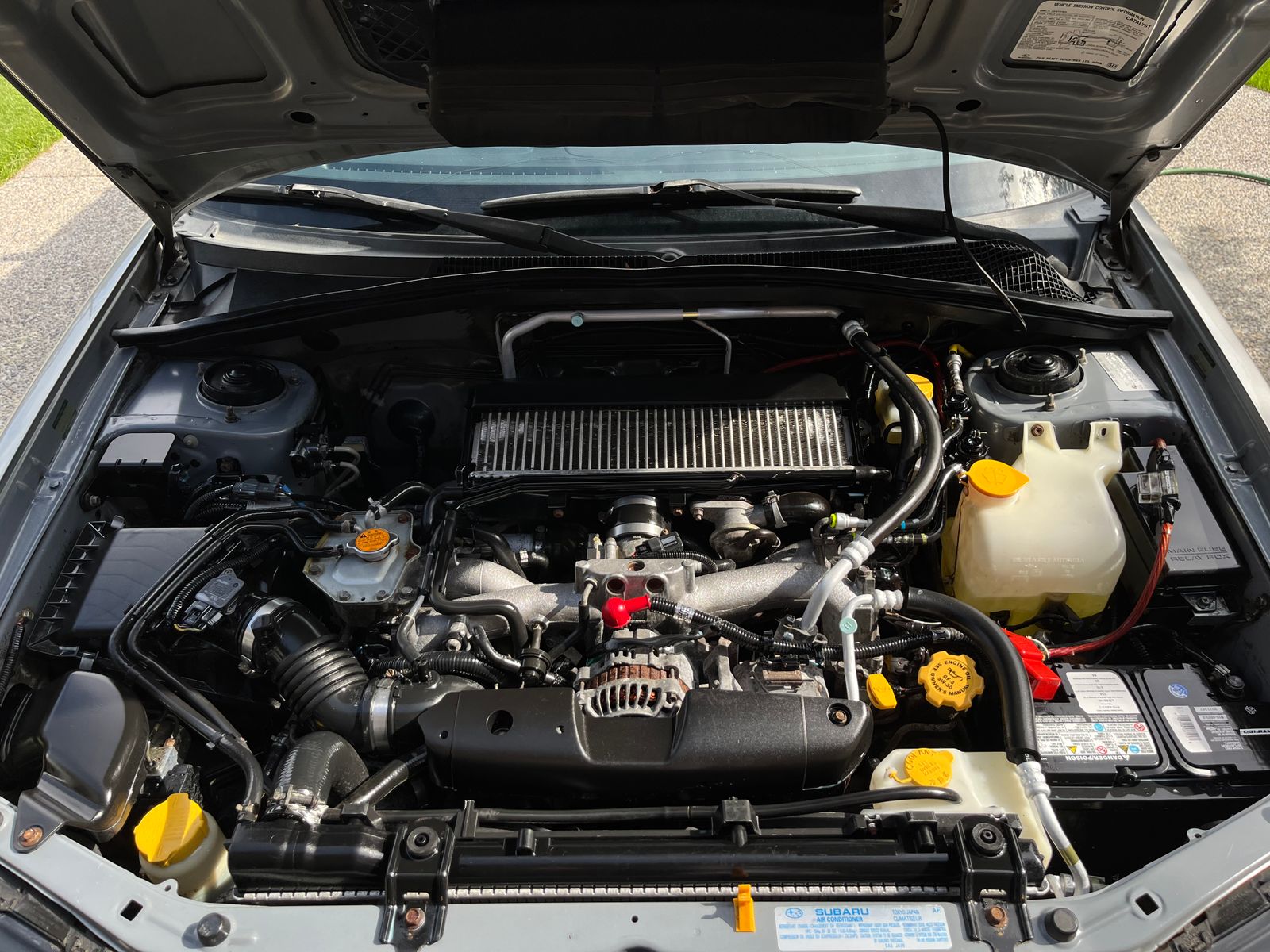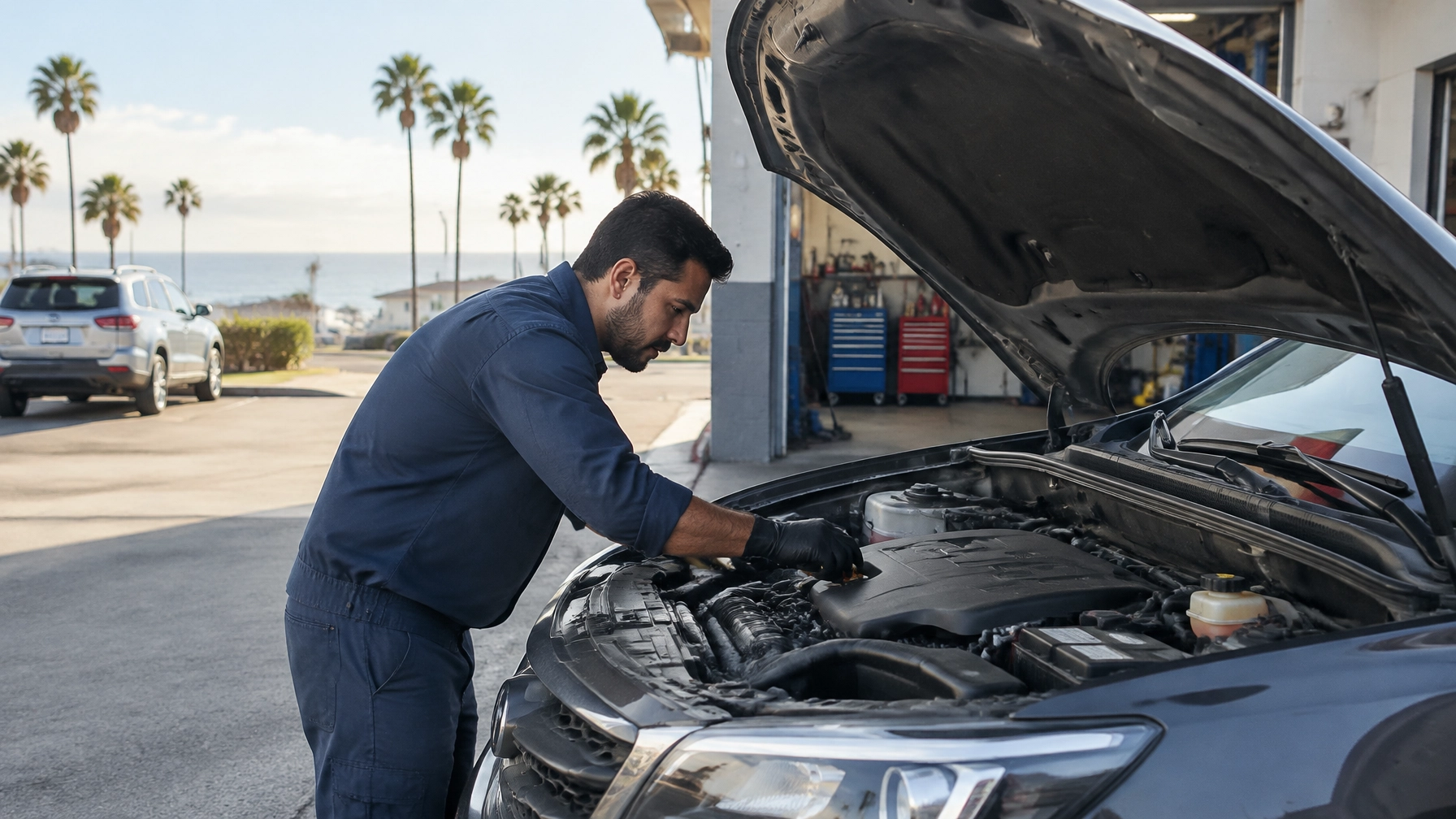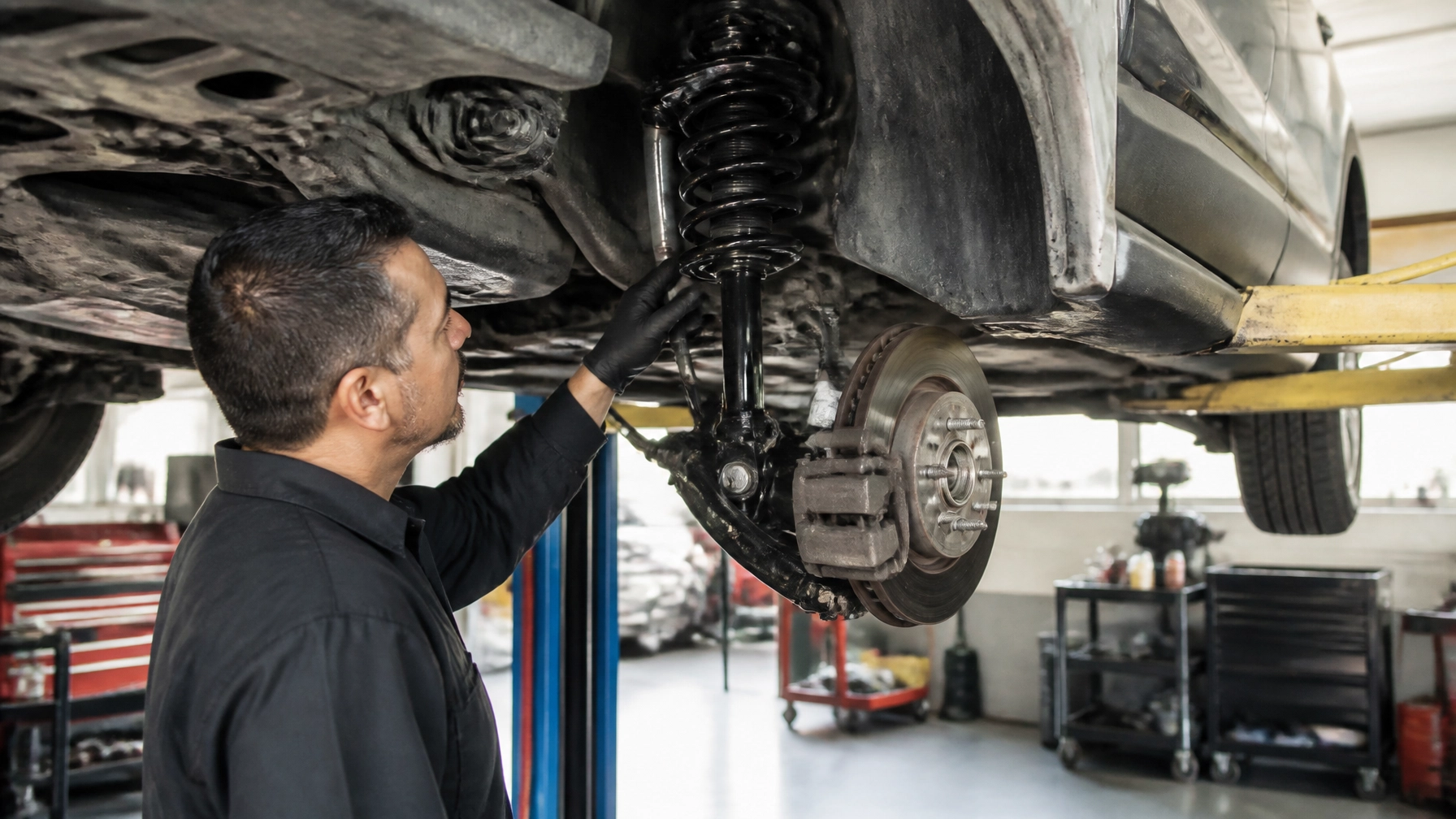

Running a fleet in the South Bay isn’t just about moving goods from point A to point B; it’s about managing a high-stakes puzzle where every piece: the driver, the schedule, and the vehicle: has to fit perfectly. Imagine one of your delivery vans is cruising down the 405 or navigating the tight streets of El Segundo when suddenly, smoke starts billowing from the hood.
The immediate stress is overwhelming. You’ve got a driver sidelined, a customer waiting for a late delivery, and a repair bill that’s about to eat your weekly profit. We’ve seen it happen more times than we’d like at Pittstop Auto Care.
Fleet maintenance services aren’t just a “to-do” list item; they are the literal lifeblood of your business operations. However, even the most seasoned fleet managers fall into common traps that lead to expensive downtime. Let’s look at the seven mistakes you might be making right now and, more importantly, how we can fix them together.
1. The “I’ll Do It Later” Trap: Skipping Preventive Maintenance
In the fast-paced world of logistics, it’s tempting to squeeze one more week out of an oil change or push back a brake inspection because the schedule is packed. We call this the “I’ll do it later” trap.
When you skip preventive maintenance, you aren’t saving money; you’re just deferring a much larger expense. Think of your engine oil like the blood in a human body: once it gets thick and contaminated, the whole system starts to fail.
The Fix: Establish a non-negotiable maintenance schedule. If your demand increases, don’t lengthen the intervals; shorten them. Consistency is what keeps a fleet of five or fifty vehicles on the road. At Pittstop Auto Care, we help you set these schedules so you don’t have to guess when the next service is due.

2. Flying Blind: Poor Record-Keeping and Data Gaps
Are you still using a whiteboard or a stack of paper invoices to track your fleet’s health? If you don’t have clear metrics, you can’t spot patterns. Maybe three of your Ford Transits are consistently having battery issues every six months. Without a digital record, that’s just a “hunch” rather than a data point you can act on.
The Fix: Transition to a digital tracking system. Knowing the exact cost-per-mile for each vehicle allows you to make informed decisions about when to repair and when to retire a vehicle. We pride ourselves on transparency in auto repair, providing you with detailed digital reports that make record-keeping a breeze.
3. The Silent Driver: Neglecting Communication and Training
Your drivers are your first line of defense. They are the ones who feel the slight shudder in the steering wheel or hear the faint squeak when the brakes are applied. If your drivers aren’t trained to spot these red flags: or worse, if they don’t feel empowered to report them: you’re headed for a breakdown.
The Fix: Build a culture of communication. Encourage drivers to report even the smallest “weird noise.” When everyone on the team knows that a brake alignment issue caught today prevents a crash tomorrow, your fleet becomes significantly safer.
4. Playing “Firefighter”: Reactive vs. Proactive Maintenance
Many fleet owners operate in “firefighter mode”: they only react when there’s a literal fire (or a metaphorical one, like a blown head gasket). Reactive maintenance is the most expensive way to run a business. You’re paying for emergency towing, rushed labor, and the massive “opportunity cost” of a vehicle being out of service.
The Fix: Shift to a proactive mindset. Proactive fleet maintenance services involve replacing parts before they fail based on their expected lifespan. It’s the difference between a planned 2-hour service window and a 3-day unplanned disaster.

5. Trusting the “Paper Trail”: Sticking to Manual Logs
We’ve all seen it: a manual logbook with coffee stains where every entry looks like it was written in a hurry. Manual logs are prone to human error. Odometer readings get transposed, dates get missed, and suddenly a truck is 5,000 miles overdue for a critical timing belt replacement.
The Fix: Embrace modern vehicle solutions. Whether it’s telematics that track mileage automatically or software updates that keep your vehicle’s computer optimized, technology is your best friend. Automation removes the “oops” factor from your maintenance routine.
6. The “Pencil Whip”: Rushing Through Inspections
“Pencil whipping” is the industry term for checking off inspection boxes without actually looking at the vehicle. When an inspection is rushed, critical issues are missed. Research shows that 23% of fleet inspection failures are engine-related, while 18% are due to tire and pressure problems.
The Fix: Dedicate 10-15 minutes for every pre-operation inspection. Ensure your team checks the engine diagnostics and performs a thorough tire pressure check. A slow inspection today prevents a fast-approaching disaster on the road.

7. Ignoring the Elements: Neglecting Cleaning and External Care
Living and working in South Bay, California, means your fleet is exposed to salt air, dust, and coastal grime. It’s not just about looking good for your customers (though that matters too!). Salt and dirt accelerate corrosion on the undercarriage, brake lines, and electrical connections.
The Fix: Make washing and cleaning a part of your maintenance schedule. A clean vehicle is easier to inspect; you can’t see a hairline crack or a small fluid leak if it’s buried under a layer of road salt and grease. Plus, keeping your fleet clean preserves the resale value of your assets.
Why Your Location Matters: The South Bay Context
At Pittstop Auto Care, we understand the unique challenges of California driving. From the stop-and-go traffic in Hermosa Beach to the heavy hauling requirements near the industrial zones of El Segundo, our environment is tough on vehicles.
Extreme heat can stress your cooling systems, while the coastal air can wreak havoc on your exhaust. That’s why we offer specialized emissions and exhaust repairs specifically tailored to keep you compliant with California’s strict regulations while maximizing performance.

Your All-in-One Solution
Maintaining a fleet is a heavy burden, but you don’t have to carry it alone. Whether you are managing traditional combustion engines, hybrid vehicles, or a new EV fleet, having a partner who understands the “big picture” makes all the difference.
We aren’t just a repair shop; we are your partners in productivity. We offer everything from basic oil changes to lift kit installations for your off-road service vehicles. With over 10 years of experience, we’ve refined our process to ensure your fleet stays where it belongs: on the road and making you money.
Stop Guessing, Start Growing
If you’ve recognized any of these mistakes in your own operations, don’t sweat it. The first step to fixing a problem is identifying it. By shifting from reactive “firefighting” to a proactive, data-driven maintenance strategy, you’ll see fewer breakdowns, lower long-term costs, and a much happier team of drivers.
Ready to take the stress out of your fleet management? Let’s get your vehicles in peak condition. Pittstop Auto Care is your all-in-one automotive repair solution in California. Whether you need a quick diagnostic check or a full fleet overhaul, we’re here to help you unlock the true performance of your business.
Contact us today to schedule your fleet’s next check-up and ensure your business stays moving forward.